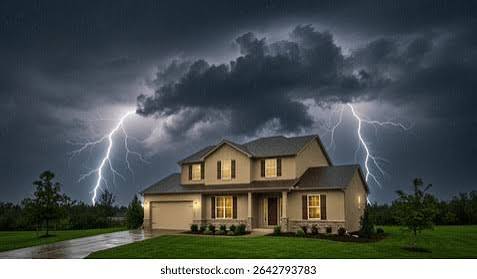
Owning a home means more than enjoying your space—it also means protecting one of your largest investments. With a potentially very strong El Niño developing for fall and winter 2026–27, now is a good time for California homeowners to prepare for possible heavy rain, strong winds, drainage problems, and flooding.
According to the National Oceanic and Atmospheric Administration (NOAA), El Niño is strengthening, with a greater than 90% chance of becoming a very strong event during fall and winter 2026–27. Although a strong El Niño does not guarantee severe weather in every California community, preparing early can help homeowners avoid preventable damage and costly repairs.
1. Clear Your Gutters and Storm Drains 🌧️
Remove leaves, dirt, and other debris from gutters, downspouts, and nearby storm drains. Clogged gutters can cause rainwater to overflow onto exterior walls, roofing, landscaping, and the foundation.
Make sure your downspouts are firmly connected and direct water several feet away from the house. It is much easier to correct drainage problems before heavy rain arrives.
2. Inspect Your Roof 🏠
Check your roof for cracked or missing shingles, damaged tiles, deteriorated flashing, and other possible sources of leaks. Inside the home, inspect ceilings and attic spaces for discoloration, moisture, or evidence of previous water intrusion.
If you notice a problem, contact a qualified roofing professional before the rainy season. A small repair completed now may help prevent significant interior damage later.
3. Trim Trees and Secure Outdoor Items 🌳
Dead, damaged, or weakened branches can fall during periods of strong wind and rain. Have potentially dangerous branches inspected and trimmed by a qualified professional, especially when they are located near the roof, driveway, vehicles, or utility lines.
Secure patio furniture, umbrellas, decorations, garbage containers, and other outdoor objects that could be moved or damaged by strong winds.
4. Check Drainage Around Your Property 💧
Walk around your property and identify areas where rainwater could collect. Soil, walkways, and other surfaces should direct water away from the house rather than toward the foundation.
Clear exterior drains and drainage channels. If your home has a sump pump, test it before storm season and consider having a backup power source available.
Properties that have experienced standing water or flooding in the past may benefit from an evaluation by a qualified drainage professional.
5. Prepare for Possible Flooding ⚠️
Keep sandbags, plastic sheeting, or other appropriate flood-control materials available if your property is vulnerable to water intrusion. Move important documents, electronics, valuables, chemicals, and other sensitive belongings away from floors in garages, basements, and low-lying areas.
Review your insurance policy before storm season begins. Standard homeowners insurance generally does not cover flood damage, and separate flood insurance policies may have a waiting period before coverage takes effect. Speak directly with your insurance professional about your property and coverage.
6. Assemble an Emergency Kit 🔦
Prepare enough water, nonperishable food, necessary medications, batteries, flashlights, first-aid supplies, and other essentials to support your household for at least three days.
Charge mobile phones and portable batteries before storms arrive. Know where your water, gas, and electrical shutoffs are located, establish a family communication plan, and monitor official weather alerts for updated information.
Start Preparing Early
El Niño is a climate pattern, not an individual storm, and its precise local effects cannot be guaranteed months in advance. However, completing routine home maintenance and emergency preparation now can reduce risk and help your household respond more effectively if severe weather develops.
A little preventive work today could save significant time, stress, and repair expenses later.